
The UK’s newly published Warm Homes Plan is one of the most ambitious home‑upgrade programmes in British history. With billions committed to energy‑efficiency and clean‑heat measures, the plan represents a powerful catalyst for growth across the green‑tech sector — but only for businesses with the operational strength to scale.
Here we break down what the plan is, what it means for the industry, where the opportunities lie, and how businesses can prepare for rapid expansion with strong operational foundations.
What Is the Warm Homes Plan?
Published on 21st January 2026, the Warm Homes Plan sets out a multi‑year national programme to upgrade the UK’s housing stock with insulation, low‑carbon heating and other energy efficiency improvements. It forms part of the government’s wider strategy to cut bills, tackle fuel poverty and accelerate the transition to net zero.
Key investment commitments:
- £15 billion in direct government funding for home upgrades, within a broader £38 billion investment package this parliament.
- Up to 5 million homes expected to be upgraded by 2030.
- £5 billion for low‑income household upgrades (insulation, solar, battery storage, heat pumps).
- £2 billion in low‑interest consumer loans for homeowners.
- £2.7 billion for an enhanced Boiler Upgrade Scheme.
- £1.1 billion for heat networks.
- £2.7 billion through the Warm Homes Fund.
A more immediate phase — covering 2025–2028 — includes £3.4 billion of investment and upgrades for 300,000 homes, confirming the volume and urgency of near‑term installations.
Why does it matter?
The plan’s goal is clear: reduce energy bills by hundreds of pounds per year, decarbonise homes and lift up to one million households out of fuel poverty by 2030.
Through insulation, solar, heat pumps, glazing and smart controls, many low‑income homes will see immersive, fully funded upgrades.
This uplift in national ambition creates a once‑in‑a‑generation market stimulus for businesses delivering:
- Heat pump installations
- Insulation
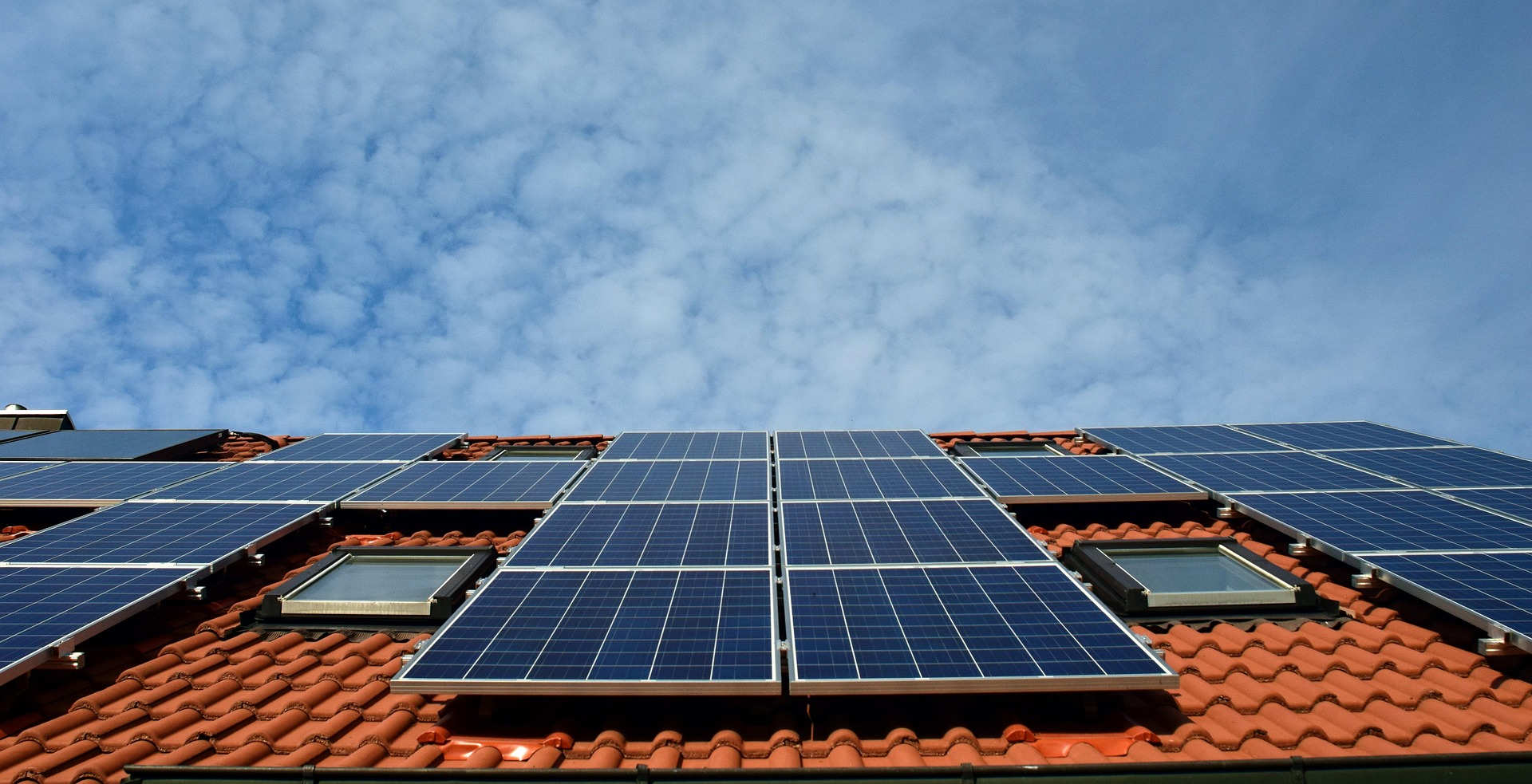
- Solar PV and battery systems
- Energy‑efficient glazing
- Retrofit assessments and EPC‑linked services
- Heat network deployment
- Smart home energy controls
The business opportunity behind the policy
1. Demand surge
With 300,000 homes expected to receive upgrades over the next financial cycle alone and millions more in the long term, installers and service providers can expect a rapid increase in inquiries, site surveys and multi‑stage project activity.
- Market expansion
- Government-backed funding significantly reduces customer hesitation.
- Commercial and residential interest in clean heat and insulation continues to rise due to bill pressures and policy shifts.
- Local authorities, housing associations and energy suppliers will become major partners.
- Competition
- More businesses will enter the market to capture demand.
- Competitive edges will come from quality, speed, compliance and customer experience.
- New standards and regulatory mechanisms (e.g., Clean Heat Market Mechanism from April 2025) will define best practice.
The real‑world challenges of meeting demand
Growth sounds exciting — until operational cracks start showing. The Warm Homes Plan will push businesses to handle:
1. Lead & workflow volume: Managing multiple simultaneous enquiries, quotes, surveys and installations.
- Complex job coordination: Most homes will need multiple upgrades — e.g., insulation and a heat pump, or solar plus glazing — demanding seamless scheduling across teams.
- Compliance & documentation: Government schemes often require strict documentation, installation evidence, quality checks and reporting.
- Supply chain pressure: Equipment (heat pumps, glazing, solar panels) must be available at scale.
- Cash flow strain: Grants and funding often pay retrospectively — meaning businesses must bridge upfront costs.
- Quality control while scaling: As installation volumes rise, risks of errors increase — a problem the National Audit Office has already flagged across major retrofit schemes.
Building the foundations for sustainable growth
To thrive under the Warm Homes Plan, companies should invest in:
- Robust software to automate workflows and manage end-to-end customer journeys.
- Scalable job scheduling tools for multi‑trade coordination.
- Clear processes to ensure quality customer service
- Accurate, centralised compliance documentation systems.
- Advanced CRM and communication platforms for nurturing leads and keeping customers updated.
- Integrated financial oversight to track grant payments, margins and cash flow.
- Training and certification programmes to meet rising standards and demand.
- Strong staff engagement programmes to enhance staff motivation and retention
Powering operational excellence with Optimo
Optimo is purpose‑built to help climate innovation businesses meet the operational demands created by schemes like the Warm Homes Plan.
With Optimo, businesses can:
- Streamline lead capture and qualification
- Automate workflows across surveys, installations and inspections
- Centralise compliance documentation for government schemes
- Coordinate multi‑team schedules and project timelines
- Improve cash‑flow visibility with integrated financial tools
- Deliver consistent, proactive communication to customers
- Maintain quality and oversight while scaling quickly
- Enable staff motivation and retention with workload clarity, performance insights and smoother internal communication
As demand accelerates — and competition grows — Optimo gives installers and retrofit providers the operational backbone they need to thrive, not just survive.
If you want to find out more about how we can help, read more here.
